Virginia voters approved a constitutional amendment Nov. 3 that will automatically restore voting rights to people released from incarceration after felony convictions.
Question 3 received approximately 56% support statewide, according to unofficial election results reported by VPM.
The amendment affects voting eligibility throughout Virginia, including Chesapeake. It replaces a system in which people convicted of felonies could regain voting rights only through action by the governor.
The change is scheduled to take effect Jan. 1, 2027, according to 13News Now.
What the amendment changes
Question 3 adds a fundamental right to vote to the Virginia Constitution.
Under the Virginia Department of Elections' official explanation, people convicted of felonies will lose their voting rights during incarceration but regain them automatically upon release.
They will no longer need to seek an individual restoration decision from the governor.
The amendment also restores other political rights associated with voting, including eligibility to serve on a jury, hold elected office and become a notary public.
It does not automatically restore firearm rights.
The amendment separately changes how courts determine voting eligibility for people with certain mental or cognitive disabilities.
Previously, a court finding of incapacity could disqualify someone from voting.
Under the new language, a court must specifically determine that a person lacks the capacity to understand the act of voting.
More than 260,000 Virginians affected
The amendment addresses a system that advocates said had excluded more than 260,000 Virginians from voting because of felony convictions.
According to The Sentencing Project, Virginia had the nation's fourth-largest population disenfranchised because of felony convictions.
The organization also reported that roughly one in 10 Black Virginians of voting age was affected.
The restoration process previously depended on the governor's policies and individual decisions.
Gov. Abigail Spanberger restored voting rights to more than 66,000 Virginians in July 2026, according to the Virginia Center for Investigative Journalism.
Her predecessor, Republican Glenn Youngkin, restored rights to fewer than 10,000 people over his four-year term, the organization reported.
The constitutional amendment replaces that discretionary process with automatic restoration upon release from incarceration.
Supporters and opponents respond
State Sen. Mamie Locke, a Hampton Democrat, had sponsored efforts to change Virginia's voting-rights restoration system for 15 years.
Locke welcomed the result on election night, according to Cardinal News.
Supporters argued that people should regain the right to participate in elections after leaving prison rather than depending on a governor's individual decision.
The measure also attracted some Republican legislative support.
Del. Mike Cherry, R-Colonial Heights, supported sending the amendment to voters, according to the Virginia Mercury.
Opponents questioned whether restoration should be automatic for every felony conviction.
Former Gov. George Allen argued that the process should distinguish between different offenses, including violent crimes.
Victoria Cobb, president of the Family Foundation of Virginia, supported an individualized restoration process that considers restitution and probation, according to WSLS.
How the amendment reached voters
The proposal passed the Virginia General Assembly twice, with a House of Delegates election between the votes, as required for constitutional amendments.
Lawmakers gave it final approval in January 2026, allowing Question 3 to appear on the November ballot.
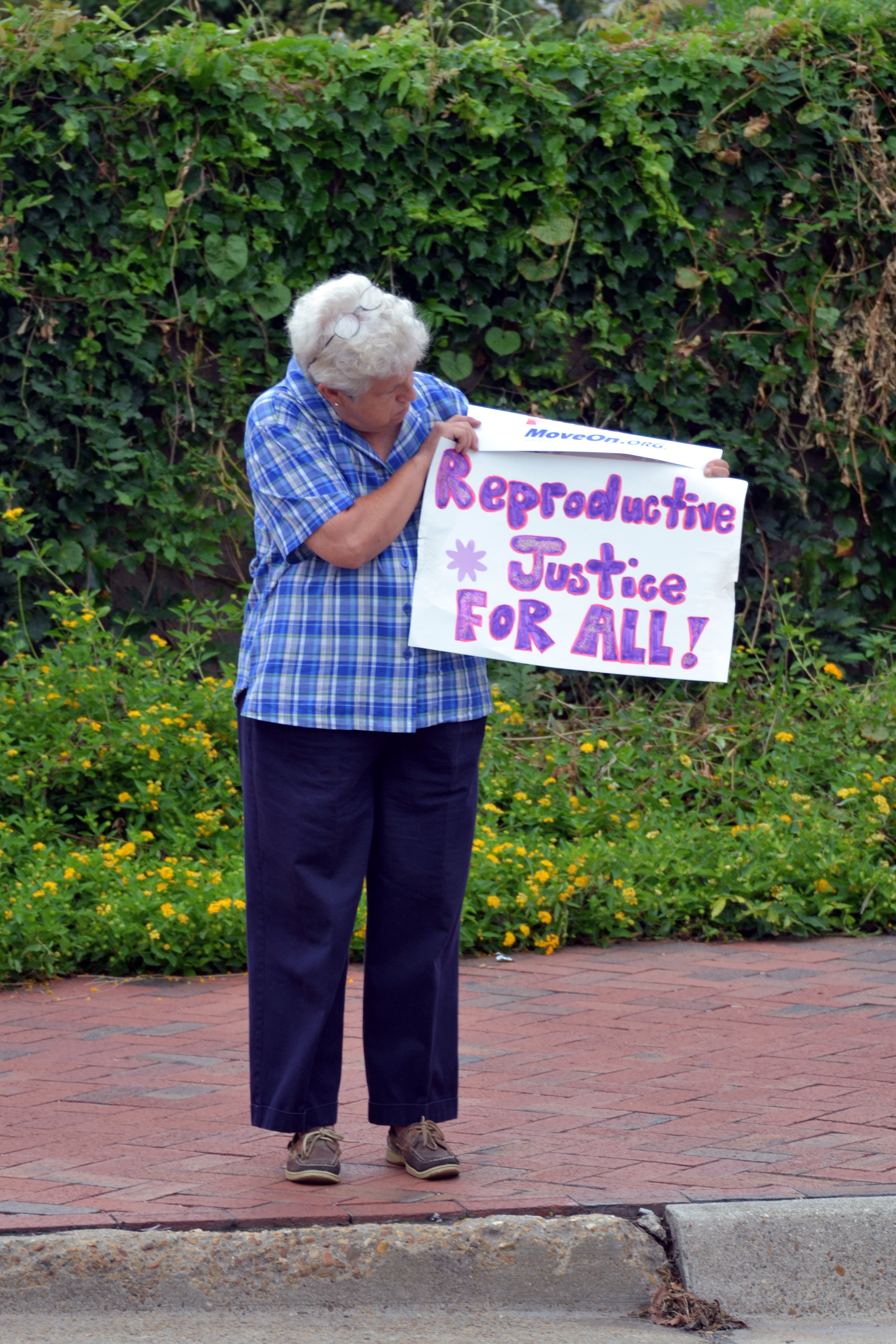
Voters also approved two other constitutional amendments protecting reproductive freedom and marriage equality.
What happens next
The Question 3 results remain unofficial until Virginia election authorities complete canvassing and certification.
Once the amendment takes effect, eligible people released from incarceration after felony convictions will regain voting rights without requesting individual restoration from the governor.
They will still need to meet the state's other voting qualifications, including voter registration requirements, before participating in elections.
Residents can find registration information and eligibility guidance through the Virginia Department of Elections.