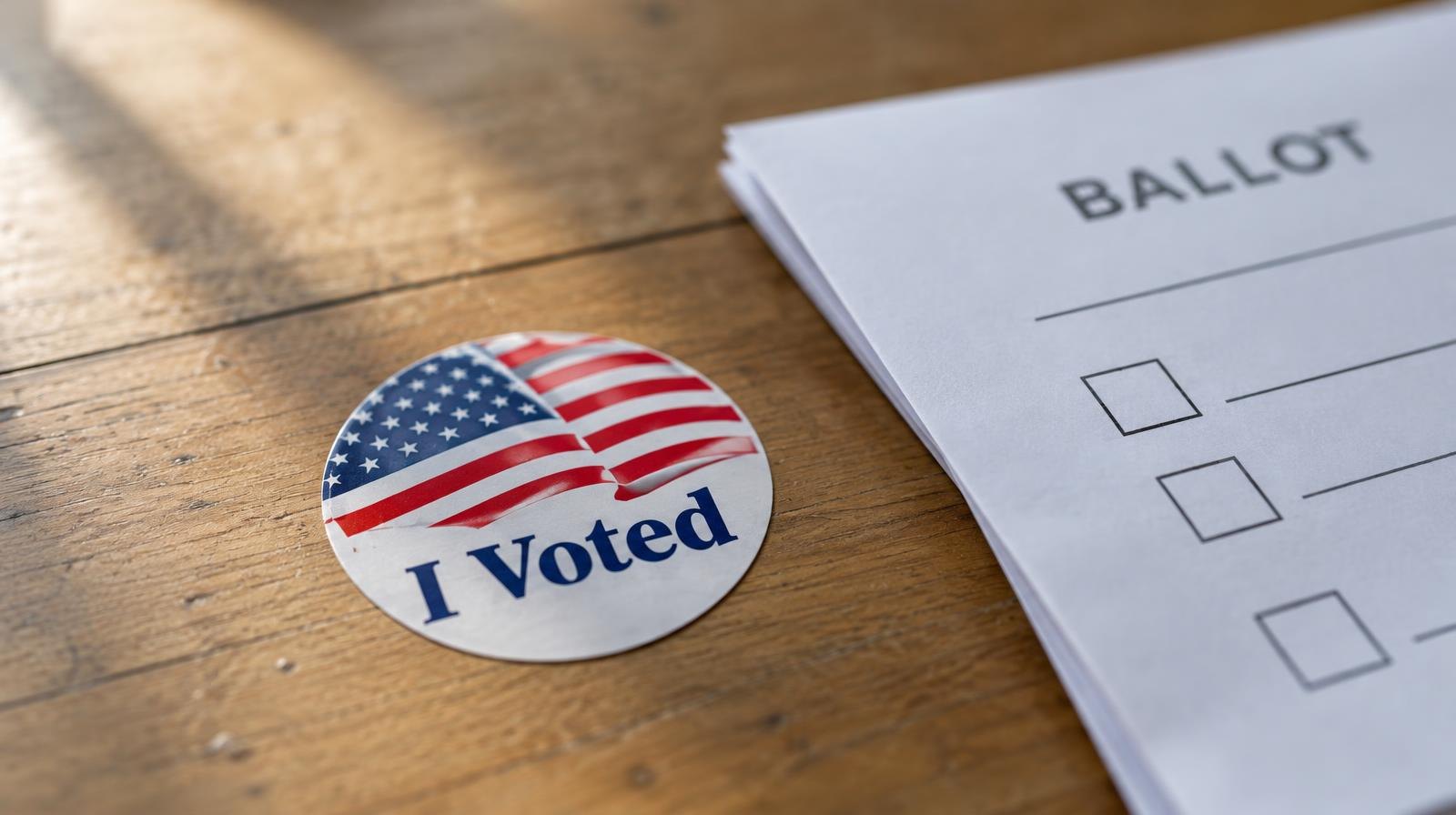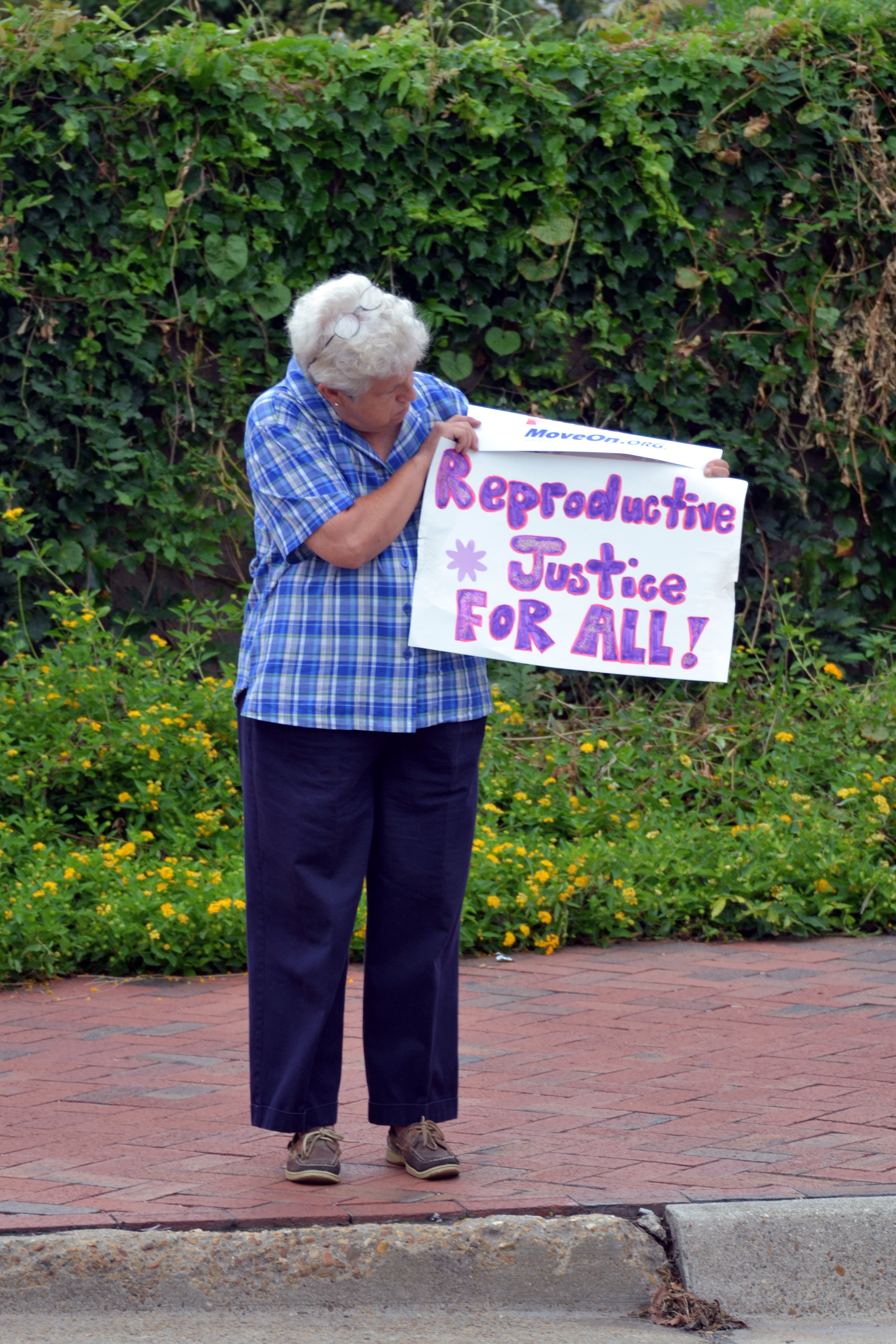
Virginia voters approved a constitutional amendment protecting abortion and reproductive healthcare access Tuesday, Nov. 3, adding those protections to the state's Bill of Rights.
Ballot Question 1 received approximately 62.4% support, with 37.6% opposed, according to updated unofficial election returns. All 133 Virginia localities had reported results as of Nov. 4.
The amendment appeared on Chesapeake ballots alongside two other constitutional amendments, according to the city's voter guide. Voters statewide also approved measures protecting marriage equality and restoring voting rights to people convicted of felonies upon their release from incarceration.
The reproductive freedom amendment is scheduled to take effect Jan. 1, 2027, although a pending lawsuit seeks to block certification of the results.
What the amendment does
The amendment establishes a "fundamental right to reproductive freedom" in Virginia's Bill of Rights.
According to the Virginia Department of Elections' official explanation, the protection covers decisions involving prenatal care, childbirth, postpartum care, contraception, abortion, miscarriage management and fertility care.
The state may restrict reproductive healthcare decisions only when justified by a compelling state interest achieved through the least restrictive means.
The amendment specifically permits the state to regulate abortion during the third trimester.
However, those restrictions must allow an abortion when a physician determines it is medically necessary to protect the pregnant patient's life or physical or mental health, or when the fetus is not viable.
The amendment also prohibits the state from prosecuting or penalizing individuals for exercising their reproductive rights, including pregnancy outcomes such as miscarriage, stillbirth or abortion.
Those protections extend to people who assist someone in exercising reproductive rights with that person's voluntary consent.
Before the vote, Virginia's constitution did not explicitly guarantee a right to reproductive freedom.
How the amendment reached voters
The amendment followed several years of legislative debate after the U.S. Supreme Court overturned Roe v. Wade in June 2022.
Virginia's constitutional amendment process requires approval during two legislative sessions separated by a House of Delegates election before a proposal can go to voters.
Republican lawmakers blocked an earlier attempt in 2023. Democratic majorities subsequently approved the amendment in 2025 and again in January 2026, according to VPM's election coverage.
Those votes allowed the question to appear on the statewide November ballot.
The campaign in favor of the amendment raised and spent substantially more than organized opposition.
Virginians for Reproductive Freedom reported spending approximately $3.7 million through Oct. 26, compared with about $850,000 by the opposing coalition, VPM reported.
Supporters and opponents respond
Supporters argued that constitutional protections would prevent future lawmakers from restricting reproductive healthcare access through ordinary legislation.
Han Jones, campaign manager for Virginians for Reproductive Freedom, welcomed the result, describing it as the product of years of organizing.
Opponents argued that the amendment's language would restrict the state's ability to regulate abortion and could weaken existing protections for unborn children.
Victoria Cobb, president of the Family Foundation of Virginia, criticized the result in a statement reported by Cardinal News.
The disagreement centered in part on the breadth of the constitutional protection and how future courts might interpret its exceptions and limits.
Legal challenge remains
The amendment faces a pending constitutional challenge in Tazewell County Circuit Court.
The Founding Freedoms Law Center, the legal arm of the Family Foundation of Virginia, has asked the court to prevent certification of the referendum results.
The plaintiffs argue that the General Assembly failed to follow required procedures for proposing constitutional amendments and that the wording presented to voters was misleading.
According to the law center's Oct. 26 announcement, a hearing is scheduled for Nov. 13.
The lawsuit was filed before the election. No final ruling on the challenge has been issued.
The challenge does not itself overturn the election result. A court order would be required to block certification or otherwise affect the amendment's implementation.
What comes next
Under the legislation authorizing the referendum, the amendment is scheduled to become effective Jan. 1, 2027, following voter approval.
Election officials must complete the canvassing and certification process before the results become official.
The Nov. 13 hearing will determine the next steps in the pending legal dispute, which could affect the amendment's scheduled implementation.
For Chesapeake residents and other Virginians, the vote establishes a statewide constitutional protection for reproductive healthcare decisions, subject to certification and any subsequent court rulings.